Richie Sambora is revisiting one of the most painful decisions of his career as years of silence surrounding his sudden Bon Jovi departure continue to spark questions.
For more than three decades, Richie Sambora was one of the defining forces behind Bon Jovi’s success. His guitar work, songwriting partnership with Jon Bon Jovi, and unmistakable backing vocals helped create some of rock’s biggest anthems, from “Livin’ on a Prayer” to “Wanted Dead or Alive.” That is why his sudden departure from the band in 2013 left fans shocked and searching for answers.
The timing made the exit even more dramatic. Bon Jovi was in the middle of its Because We Can world tour when Sambora failed to appear before a scheduled performance in Calgary. The show went on without him, but questions immediately spread throughout the music world. For years, speculation surrounded the circumstances of his departure, creating a cloud over one of rock’s most successful partnerships.
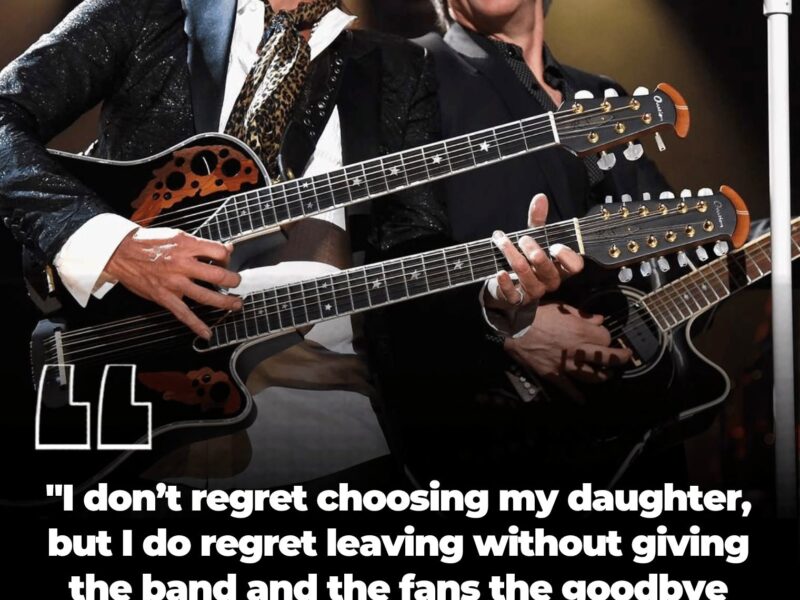
Looking back, Sambora has made it clear that he does not regret the reason he stepped away. His decision was driven largely by a desire to be present for his daughter, Ava, during an important period of her life. After spending decades balancing relentless touring schedules, recording sessions, and global fame, he felt family needed to come first.
What continues to weigh on him is not the choice itself, but the way it happened.
In the documentary Thank You, Goodnight, Sambora reflected on the emotional fallout from leaving so abruptly. He acknowledged that the lack of closure affected not only his bandmates but also the millions of fans who had supported the group throughout its career. The silence that followed his departure allowed rumors and misunderstandings to fill the gap where a proper farewell might have been.
That distinction is important to Sambora. He has repeatedly emphasized that choosing his daughter was never a mistake. As a father, he believed he was making the right decision for his family. The regret comes from not finding a better way to communicate that decision and honor the relationships he had built through decades with the band.
The departure marked the end of one of rock’s most productive creative partnerships. Jon Bon Jovi and Richie Sambora co-wrote many of the songs that transformed Bon Jovi from a New Jersey rock band into a global phenomenon. Together, they helped sell more than 130 million records worldwide and created a catalog that continues to fill arenas decades later.
Because of that history, the absence of a clear goodbye felt particularly painful for fans. Many had followed the band for generations and never received the closure they expected from such a significant chapter in the group’s story. Sambora has since acknowledged that reality, expressing appreciation for the loyalty fans showed throughout his career.
Today, his reflections reveal a deeply human conflict between professional commitment and personal responsibility. It is a dilemma many people face, even if few do so under the spotlight of international fame. Sambora’s story is not about regretting family. It is about wishing he had found a way to protect both the people waiting for him at home and the people who had shared the stage with him for most of his adult life.
More than a decade later, that remains the part of the story he wishes he could rewrite—not the decision to leave, but the chance to say goodbye properly.